Beta Preview

Private Access Only

This site is currently in beta and not available to the public. Please enter your access code to continue.

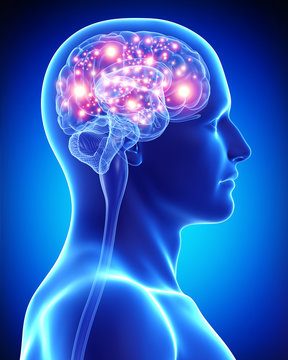
Advanced Brain Health Solutions

Protect & Restore
Brain Health
at the Cellular Level

My Neuro Shield delivers precision neurological therapy through our breakthrough atomizer technology — crossing the blood-brain barrier to restore, protect, and optimize brain function.

7+
Neurological Conditions Addressed
6
Bioactive Compounds Delivered
BBB
Blood-Brain Barrier Penetration

The ViaNase Platform

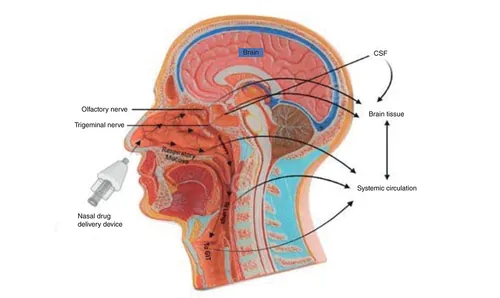
My Neuro Shield is powered by the ViaNase™ Platform from Kurve Therapeutics — a clinically validated intranasal drug delivery system engineered to transport therapeutic compounds directly across the blood-brain barrier with precision and consistency.

🧬

Blood-Brain Barrier Penetration

The ViaNase platform leverages targeted olfactory and trigeminal nerve pathways to deliver compounds directly into the CNS — bypassing the blood-brain barrier entirely.

💨

Controlled Particle Deposition

Kurve's proprietary vortex atomization generates precisely sized aerosol particles that deposit in the upper nasal cavity, maximizing uptake and minimizing systemic exposure.

🔬

Biomarker-Guided Protocols

Every ViaNase treatment protocol is informed by blood biomarker testing, ensuring personalized delivery of the right compounds at the right dose for each individual.

📊

Measurable, Trackable Outcomes

Ongoing biomarker monitoring tracks neurological response over time, giving patients and providers objective, data-backed evidence of brain health progress.

🧠

Six Powerful Neuroregenerative Compounds

Our atomizer platform delivers a precisely formulated combination of bioactive compounds proven to support neurological regeneration, repair, and protection.

🧪

Insulin

Supports neuronal glucose metabolism and promotes neuroprotective signaling pathways critical for cognitive function.

🛡️

IgG Antibodies

Immunoglobulin G helps modulate neuroinflammation and supports immune balance within the central nervous system.

🔵

Exosomes

Nano-sized vesicles that act as cellular messengers, delivering regenerative signals and promoting neural repair at the molecular level.

🌱

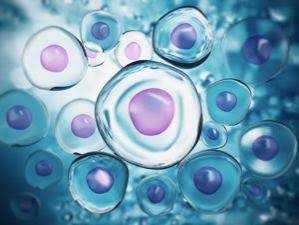
MSC Stem Cells

Mesenchymal stem cells with powerful anti-inflammatory and neuroregenerative properties that support brain tissue healing and recovery.

MUSE Cells

Multilineage-differentiating stress enduring cells — a breakthrough in regenerative medicine shown to self-migrate to sites of neural injury.

🔬

Neuro Peptides

Targeted neuropeptides act as biological messengers that regulate neuronal activity, modulate inflammation, support synaptic function, and promote neuroprotection — including applications for PTSD, cognitive decline, and CNS disorders.

🔓

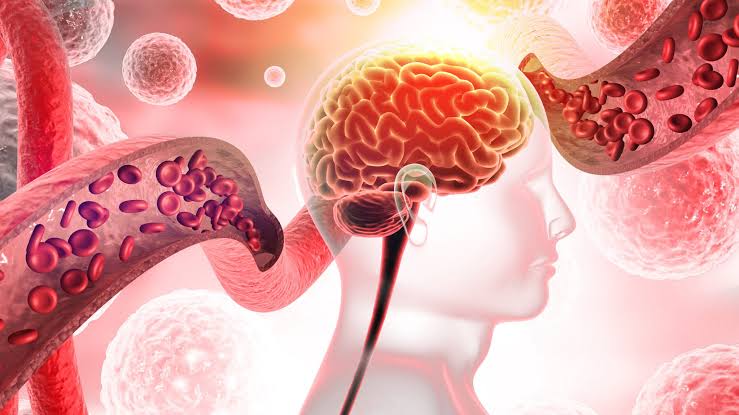
Breaking Through the Blood-Brain Barrier

The blood-brain barrier protects the brain but also blocks most conventional therapies. My Neuro Shield's atomizer technology is engineered to overcome this challenge — delivering therapeutic compounds directly where they can have the greatest neurological impact.

Examples of Investigational Research Include

My Neuro Shield's platform is being explored across a broad spectrum of neurological areas through ongoing investigational research.

🏈

Concussion & TBI

Traumatic brain injury and concussion can have lasting neurological effects. Our compounds support acute recovery and long-term brain health restoration for athletes and patients alike.

🧓

Alzheimer's Disease

Targeting the neuroinflammation and cellular deterioration underlying Alzheimer's, our platform delivers neuroprotective agents directly to affected brain regions.

🌈

Autism Spectrum

Addressing neuroinflammation and immune dysregulation associated with autism spectrum conditions through targeted bioactive compound delivery.

PANS / PANDAS

Pediatric Acute-onset Neuropsychiatric Syndrome driven by immune response — our IgG and anti-inflammatory compounds help modulate the neurological impact.

🤝

Parkinson's Disease

Supporting dopaminergic neuron health and reducing neuroinflammation associated with Parkinson's through our regenerative stem cell and exosome delivery.

🧩

Multiple Sclerosis

Targeting myelin repair and neuroinflammation in MS with MSC stem cells and MUSE cells shown to support remyelination and neural regeneration.

🔥

Neurological Inflammation

Chronic neuroinflammation underlies many brain conditions. Our multi-compound approach targets inflammation pathways to restore neural homeostasis.

Built for Three Markets

My Neuro Shield's platform is designed to meet the needs of individuals, medical professionals, and sports organizations.

🏠

Direct to Consumer

Individuals and families seeking cutting-edge brain health solutions outside traditional healthcare limitations. Our at-home atomizer makes advanced neurotherapy accessible.


Shop Products →
🩺

Regenerative Medicine Doctors

Forward-thinking physicians and clinics integrating My Neuro Shield into their regenerative medicine protocols for neurological patient care and outcome optimization.


Provider Inquiry →
🏆

Sports Organizations

Professional teams, athletic programs, and trainers seeking evidence-based concussion recovery and cognitive performance protocols for their athletes.


Team Solutions →

The My Neuro Shield System

Everything you need for comprehensive brain health monitoring and treatment.

🫧
Core Device

Neuro Shield Atomizer

Our flagship blood-brain barrier penetrating atomizer device for at-home or clinical administration of neuroregenerative compounds.

Contact Us for pricing
Get a Quote
🧬
Starter Kit

Brain Health Starter Protocol

Includes biomarker testing panel, baseline assessment, atomizer starter formula, and a personalized treatment protocol consultation.

Contact Us for pricing
Learn More
🔬
Testing

Blood Biomarker Panel

Comprehensive neurological blood biomarker testing panel to establish your baseline and monitor ongoing brain health and treatment response.

Contact Us for pricing
Order Testing
🧫
Biologics

Neuroregenerative Biologics

Our full biologics formulary — delivered via the ViaNase platform to cross the blood-brain barrier and support neurological repair and regeneration.

🌱 MSC Stem Cells ⚡ MUSE Cells 🔵 Exosomes 🧪 Insulin 🛡️ IgG 🔬 Peptides
Contact Us for pricing
Inquire About Biologics

Blood Biomarker Testing Panel

We monitor neurological health through a precision set of blood biomarkers — objective, measurable indicators of brain injury, neurodegeneration, and genetic risk. Select a biomarker below to learn more.

🔶

GFAP — Glial Fibrillary Acidic Protein

Astrocyte Damage Marker

GFAP is a structural protein found exclusively in astrocytes — the support cells of the brain. When brain tissue is injured or undergoing neurodegeneration, astrocytes release GFAP into the bloodstream, making it a highly sensitive blood-based indicator of brain damage.

What it measures: Astrocyte activation and structural brain injury
🔍
Why it matters: Elevated GFAP levels appear in blood as early as 1 hour after TBI and remain elevated during neurodegeneration in Alzheimer's, MS, and other conditions — often years before symptoms appear.
🎯
Clinical relevance: Useful for acute injury assessment (concussion, TBI) and as a longitudinal marker of neurodegeneration progression.
📈
Elevated in: TBI, concussion, Alzheimer's disease, MS, Parkinson's, and neurological inflammation.
🔵

NfL — Neurofilament Light Chain

Axonal Injury & Neurodegeneration Marker

NfL is a structural protein that forms part of the internal scaffolding of neurons (neurofilaments). When axons — the long nerve fibers that transmit signals between neurons — are damaged or destroyed, NfL is released into the cerebrospinal fluid and bloodstream.

What it measures: The rate and extent of axonal damage and neuronal loss across the entire nervous system
🔍
Why it matters: NfL is one of the most sensitive markers of neurodegeneration available. Rising NfL levels over time indicate worsening neuronal loss, even before imaging or clinical symptoms are apparent.
🎯
Clinical relevance: Used to monitor disease progression and treatment response across multiple neurological conditions. Falling NfL after treatment suggests neurological stabilization or recovery.
📈
Elevated in: ALS, MS, Alzheimer's, Parkinson's, TBI, frontotemporal dementia, and chemotherapy-induced neurotoxicity.
🟣

BD-Tau — Brain-Derived Tau

Neuronal Injury & Tau Pathology Marker

BD-Tau is a form of the tau protein that originates specifically from neurons in the brain. Unlike total tau measurements that can include tau from peripheral tissues, BD-Tau is brain-specific — providing a cleaner signal of neuronal damage and tau-related pathology.

What it measures: Neuronal injury and tau release from damaged or dying brain cells
🔍
Why it matters: BD-Tau rises acutely following brain injury (including concussion and TBI) and reflects ongoing neuronal stress across tauopathies. Its brain-origin specificity reduces false signals from non-neurological tau sources.
🎯
Clinical relevance: Particularly valuable in TBI/concussion, where it peaks rapidly and then declines — making it useful for tracking acute injury phase and recovery trajectory.
📈
Elevated in: TBI, concussion, Alzheimer's disease, chronic traumatic encephalopathy (CTE), and other tauopathies.
🧬

APOE — Apolipoprotein E Genotype

Genetic Risk & Personalized Medicine Marker

APOE (Apolipoprotein E) is a gene with three variants — ε2, ε3, and ε4 — that plays a critical role in how the brain processes and clears fats, repairs neurons, and manages amyloid beta. Knowing a patient's APOE genotype is one of the most powerful tools in personalized brain health.

APOE ε2
Protective variant. Rare (~8% of population). Associated with reduced risk of Alzheimer's and better neurological resilience.
Lower Risk
APOE ε3
Neutral variant. Most common (~78% of population). Considered the baseline reference for Alzheimer's risk assessment.
Baseline Risk
APOE ε4
Risk variant. One copy = 3–4× increased Alzheimer's risk. Two copies (homozygous) = 8–12× increased risk. Affects amyloid clearance, neuroinflammation, and lipid metabolism.
Elevated Risk
🎯
Why we capture APOE: APOE genotype fundamentally shapes treatment planning. ε4 carriers may require more aggressive early intervention, closer monitoring, and tailored compound protocols. It also predicts how the brain will respond to injury, inflammation, and regenerative therapies.
🔍
Precision medicine impact: Without APOE data, treatment is one-size-fits-all. With it, we can stratify risk, prioritize preventive protocols for high-risk individuals, and personalize delivery compound selection.
📋
Testing method: A simple blood draw. Unlike brain imaging or CSF collection, APOE genotyping is non-invasive, affordable, and yields lifelong actionable data.
🔷

P-Tau 217 — Phosphorylated Tau at Threonine-217

Alzheimer's Pathology & Amyloid Cascade Marker

P-Tau 217 is a form of the tau protein that has been abnormally phosphorylated at a specific site — threonine-217 — a modification driven almost exclusively by the accumulation of amyloid beta plaques in the brain. It is one of the most accurate blood-based indicators of Alzheimer's disease pathology currently available.

What it measures: Alzheimer's-specific tau hyperphosphorylation driven by amyloid beta accumulation in the brain
🔍
Why it matters: P-Tau 217 levels begin rising in the blood 15–20 years before Alzheimer's symptoms appear — making it one of the earliest detectable signals of the disease. It strongly correlates with amyloid PET imaging and CSF tau, the traditional gold standards for AD diagnosis.
🎯
Clinical relevance: Highly specific to Alzheimer's disease — not significantly elevated in most other neurological conditions. Used for early AD detection, risk stratification, and monitoring the progression of amyloid-driven tau pathology over time.
🧬
APOE connection: APOE ε4 carriers show accelerated P-Tau 217 elevation, reflecting faster amyloid accumulation. Combining P-Tau 217 with APOE genotyping provides a powerful two-layer Alzheimer's risk picture.
📈
Elevated in: Alzheimer's disease and preclinical AD. Unlike BD-Tau, it does not rise acutely after TBI or in most non-AD neurodegenerative conditions.

BD-Tau vs P-Tau 217 — Understanding the Difference

Both BD-Tau and P-Tau 217 are forms of the tau protein, but they measure fundamentally different biological events and serve distinct clinical purposes. Understanding which tau marker to use — and when — is essential to accurate neurological assessment.

🟣

BD-Tau

Brain-Derived Tau

  • Tau released directly from damaged or dying neurons in the brain
  • Rises rapidly after acute brain injury (concussion, TBI) and reflects the extent of neuronal damage
  • Brain-specific — not contaminated by tau from peripheral (non-brain) tissue sources
  • Tracks injury severity and recovery trajectory — levels typically peak early, then decline as the brain heals
  • Useful across a broad range of conditions: TBI, CTE, Alzheimer's, and other tauopathies
  • Reflects neuronal damage, not a specific disease pathway
Best for: Acute injury assessment, TBI/concussion monitoring, broad neurodegeneration tracking
🔷

P-Tau 217

Phosphorylated Tau at Threonine-217

  • Tau that has been abnormally phosphorylated at a specific site (threonine-217) — a hallmark of Alzheimer's pathology
  • Rises years to decades before Alzheimer's symptoms appear — driven specifically by amyloid beta accumulation
  • Highly specific to Alzheimer's disease — not significantly elevated in most non-AD conditions
  • Does not rise acutely after TBI the way BD-Tau does
  • Strongly correlates with amyloid PET and CSF tau — the gold standard for AD diagnosis
  • Reflects disease-specific tau pathology, not general neuronal damage
Best for: Alzheimer's early detection, AD risk stratification, amyloid pathway monitoring
💡
The key distinction: BD-Tau tells you how much neuronal damage has occurred — it's an injury and damage marker. P-Tau 217 tells you whether Alzheimer's-specific tau pathology is present — it's a disease-pathway marker. My Neuro Shield uses BD-Tau as part of our panel because it provides broader neurological injury insight across the full spectrum of conditions we address, while P-Tau 217 remains a specialized tool primarily for Alzheimer's pathway confirmation.
1

Baseline Testing

Establish your neurological health baseline with our full GFAP, NfL, BD-Tau, and APOE panel before beginning any protocol.

2

Protocol Personalization

Results guide a customized treatment protocol — tailored to your biomarker profile, APOE genotype, and neurological needs.

3

Ongoing Monitoring

Repeat testing tracks progress, measures neurological improvements, and informs protocol adjustments over time.

4

Data-Driven Results

Objective biomarker evidence of your brain health changes — measurable, trackable, and actionable.

Published Studies & Press Reviews

The following research has been conducted or facilitated using the Kurve ViaNase intranasal delivery platform. Click any study to open the full PDF.

Research sourced from kurveresearch.com. All studies are investigational. Results are not a guarantee of outcomes. Consult a licensed physician before beginning any protocol.

Ready to Shield Your Brain?

Whether you're a patient, provider, or sports organization — My Neuro Shield has a solution designed for you. Start with a consultation today.

Get in Touch

Have questions about our technology, products, or partnership opportunities? We'd love to connect.

📧
info@myneuroshield.com
📍
United States
🩺
Provider & Clinical Partnerships Welcome
🏆
Sports Organization Programs Available